A vehicle in El Cajon lives a very different life than one parked in a cooler, wetter climate. Long stretches of sunshine, dry conditions, dusty roads, and constant freeway travel all leave their mark over time. The changes happen slowly enough that many drivers don’t notice them day to day, but after a few years, the difference becomes hard to ignore.
Anyone who regularly drives around East County knows that a vehicle is exposed to much more than traffic. Dust settles on surfaces daily, intense UV exposure works against the finish year-round, and busy routes like Interstate 8 create a steady stream of debris moving at highway speeds. Even where a vehicle spends most of its time parked can influence how quickly the exterior begins showing signs of wear.
When we talk about paint protection film, we rarely start by discussing the film itself. We prefer looking at the bigger picture first. Vehicle ownership is often about preserving something you’ve invested in and enjoy driving. The goal isn’t simply adding another product to the car. It’s protecting the condition of the vehicle before damage becomes part of its story.
From our perspective at El Cajon Window Tinting, the conversation is usually less about appearance today and more about maintaining appearance years from now. That long-term mindset is what makes preservation strategies so valuable in Southern California.
The Parts of Your Car That Take the Most Abuse Every Week
Not every section of a vehicle experiences the same level of wear. Some areas constantly face impacts, debris, and abrasion, while others remain relatively protected. That’s why damage tends to appear unevenly across a vehicle rather than affecting every panel equally.
The highest-impact areas usually include:
- Front bumpers that encounter road debris first
- Leading edges of hoods exposed to airborne particles
- Side mirrors positioned directly in airflow
- Rocker panels exposed to debris kicked up from tires
- Door cup areas affected by repeated daily use
These surfaces absorb the majority of everyday punishment because of their location and exposure. A vehicle driving through El Cajon traffic, merging onto Interstate 8, or traveling throughout San Diego County encounters thousands of tiny impacts over the course of a year.
What makes this interesting is that many owners initially focus on the entire vehicle equally, when in reality certain panels carry most of the burden. Understanding these impact zones helps explain why damage rarely develops uniformly and why some sections begin showing wear much sooner than others.
Why Modern Paint Is More Vulnerable Than Most Drivers Think

Many drivers assume automotive paint has become stronger over time. In some ways that’s true, but modern paint systems also present challenges that previous generations of vehicles didn’t face in quite the same way.
Today’s finishes rely heavily on sophisticated clear coat systems that provide gloss, depth, and appearance. While these finishes look fantastic, they are often more susceptible to visible imperfections than many owners realize. Small impacts that might seem insignificant can leave noticeable marks because modern finishes are designed differently than older paint systems.
Understanding Modern Clear Coats
Modern paint systems typically prioritize:
- Appearance and color depth
- Environmental compliance
- Manufacturing efficiency
- Surface consistency
- Long-term finish quality
The tradeoff is that even minor impacts can become visible faster than many vehicle owners expect. Tiny chips, light abrasion, and surface imperfections often stand out more clearly on newer vehicles because modern finishes are designed to showcase a smoother, more refined appearance.
This isn’t necessarily a flaw in today’s paint technology. It’s simply part of how modern automotive finishes are engineered, and understanding that reality helps explain why paint preservation has become a growing priority for many vehicle owners.
The Three Types of Drivers Who Usually Benefit Most from PPF
The value of paint protection film often depends less on the vehicle itself and more on how the vehicle is used. Different driving habits create different levels of exposure, which means some owners naturally place a higher priority on preserving their paint.
Daily Commuters
Drivers who spend significant time on the road each week accumulate exposure consistently. More miles typically mean more contact with debris, environmental contaminants, and general wear over time.
Highway Drivers
Vehicles that frequently travel at higher speeds encounter a different type of paint stress. Airborne particles, road debris, and constant exposure to highway conditions can increase the likelihood of surface damage compared to lower-speed driving environments.
New Vehicle Owners
Many new vehicle owners focus on maintaining the appearance of their investment from the beginning. Rather than addressing damage later, they prefer a proactive approach that helps preserve the condition of the vehicle during its earliest years.
At its core, PPF installation is often less about the type of vehicle and more about the ownership mindset. Drivers who prioritize long-term condition tend to view protection differently than those focused only on short-term appearance.
What Happens to a Vehicle's Appearance After Five Years in Southern California?
Vehicle aging rarely occurs through one major event. More often, it develops through thousands of small interactions with the environment. A little sunlight here, a few road chips there, a gradual accumulation of surface wear that slowly changes how a vehicle looks.
Southern California creates conditions that can accelerate this process. Consistent UV exposure works on painted surfaces throughout the year. Dust and environmental particles create minor abrasion during routine cleaning. Small chips that initially seem insignificant can gradually become more noticeable as time passes.
Over a five-year ownership period, many vehicles begin showing a collection of minor imperfections rather than one dramatic problem:
- Increased surface wear on high-impact panels
- More visible paint chips along front-facing surfaces
- Reduced visual consistency across exposed areas
- Small defects becoming easier to notice over time
- Greater contrast between protected and unprotected surfaces
This cumulative effect is what many owners underestimate. Rarely does a vehicle go from perfect to heavily damaged overnight. Instead, the exterior slowly tells the story of years spent on Southern California roads.
Looking at vehicle protection from a long-term ownership perspective changes the conversation entirely. Instead of focusing on today’s appearance, the goal becomes preserving how the vehicle will look several years from now. That’s often where the value of proactive paint preservation becomes easiest to understand.
Not Every PPF Installation Is the Same

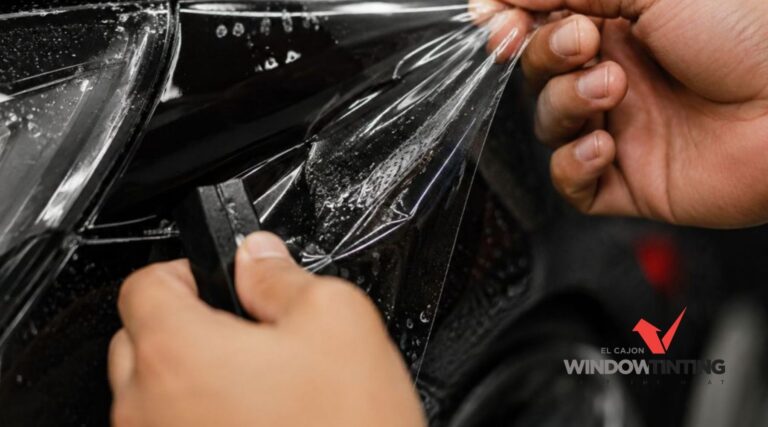
Many people assume that all PPF installation work is essentially identical as long as the same film is being used. In reality, two vehicles can receive the same brand of film and end up with very different results depending on how the installation is approached.
A significant part of the difference comes from preparation, design strategy, and craftsmanship. Modern installation software allows installers to use highly precise patterns developed specifically for each vehicle. These digital templates help improve consistency, but software alone doesn’t determine the final result.
The Details That Separate Installations
- Design software helps create accurate panel patterns
- Wrapped edges reduce visible film lines whenever possible
- Bulk installation allows greater customization on certain panels
- Pre-cut kits provide consistency and efficiency
- Installer skill influences both appearance and long-term durability
One area that often gets overlooked is edge treatment. Wrapped edges can create a cleaner appearance because less of the film remains visible along panel boundaries. Likewise, experienced installers understand when bulk installation may provide advantages over standard pre-cut patterns and vice versa.
At El Cajon Window Tinting, we spend a lot of time educating customers about these differences because the quality of an installation often depends on details that aren’t immediately visible when someone is comparing quotes online.
The Biggest Mistakes Drivers Make When Shopping for Paint Protection Film
Choosing paint protection film can feel straightforward at first, but many buyers focus on the wrong factors during the decision-making process. The result is often disappointment that could have been avoided with a little more planning.
- Shopping based solely on price instead of overall value
- Comparing film brands without comparing warranty coverage
- Protecting too little of the vehicle’s vulnerable areas
- Waiting until paint damage already exists before considering protection
The first mistake is probably the most common. A lower quote doesn’t always represent the same coverage, installation quality, or long-term support. Likewise, warranty differences between products can be substantial, even when films appear similar at first glance.
Another issue involves coverage decisions. Many owners initially choose minimal protection only to discover later that damage occurred just outside the protected areas. Thinking strategically about where a vehicle receives the most wear often leads to better long-term results.
The most difficult mistake to correct, however, is waiting too long. Once chips, scratches, and surface damage already exist, preservation becomes significantly more complicated than protection.
How to Decide Between Partial Coverage and Full Coverage
One of the most common questions we hear involves coverage selection. There is no universal answer because the right solution depends on several personal factors rather than a single recommendation.
A useful way to approach the decision is by evaluating three areas:
How Do You Drive?
Drivers who spend significant time on highways often expose their vehicles to more debris than drivers who primarily stay on local roads. Driving habits can influence which areas deserve the most protection.
How Much Does the Vehicle Matter to You?
Vehicle value isn’t only financial. Some owners simply care more about preserving appearance long term, while others are comfortable accepting normal wear over time.
How Long Do You Plan to Keep It?
Ownership timeline often plays a major role. Someone planning to keep a vehicle for many years may view protection differently than someone expecting to trade it in relatively soon.
At El Cajon Window Tinting, these are usually the first questions we ask before discussing specific coverage packages. The best recommendation often comes from understanding the owner first, not the vehicle.
Whether someone chooses partial protection, full-front coverage, or a full-body paint protection film package, the goal should be selecting a solution that matches real ownership expectations rather than following a generic formula.
Conclusion: The Best Time to Protect Paint Is Before It Needs Repair
One of the interesting things about vehicle paint is that most damage develops gradually. A small chip here, a little surface wear there, years of exposure to sun, dust, freeway driving, and everyday use. Individually, those changes may seem minor. Collectively, they tell the story of a vehicle aging over time.
That long-term perspective is why so many owners choose paint protection film. The goal isn’t to make a vehicle look better today. It’s to help it maintain its appearance years from now when many of those cumulative effects would normally start becoming noticeable.
At El Cajon Window Tinting, we believe paint preservation works best when it happens proactively rather than reactively. Protecting a vehicle before damage occurs is almost always more effective than trying to correct years of wear afterward.
Whether you’re considering selective coverage for high-impact areas or a more comprehensive PPF installation, taking the time to explore your options now can help preserve your vehicle’s appearance for the long run.
If you’d like guidance on choosing the right paint protection strategy for your vehicle, contact El Cajon Window Tinting today. Our team can help you evaluate coverage options, answer your questions, and recommend a solution designed around the way you actually drive in El Cajon and throughout Southern California.